Commercial Epoxy Floor Cleaning and Maintenance in Riverside, CA
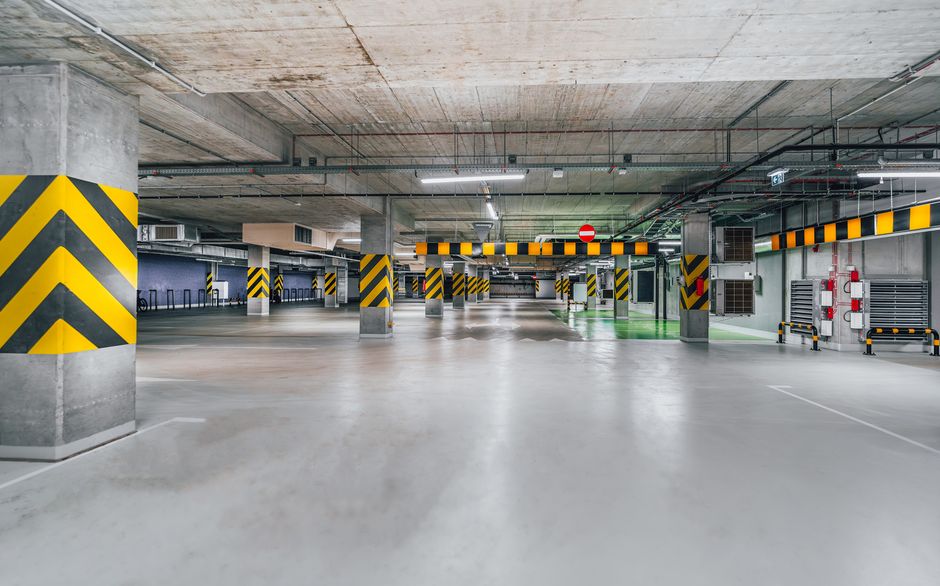
A commercial epoxy floor stays in good shape with daily dry dust mopping, regular wet cleaning with a pH neutral cleaner mixed exactly to the label, a clean water rinse, and a recoat of the topcoat before wear reaches the base layer. Epoxy is durable, but it is not maintenance free, and most early failures in Riverside buildings come from grit, the wrong chemicals, and ignored chips rather than from heavy use alone.
Start With Dry Cleaning, Every Day
Dry dust mopping does more for an epoxy floor than any product. Grit carried under boots, carts and pallet jacks acts like sandpaper on the topcoat, and it dulls the surface long before spills or chemicals do.
- Use a wide microfiber or treated dust mop in traffic areas at least daily.
- Sweep or mop dock approaches, entrances and forklift lanes first, since grit collects there.
- Place walk off mats at entrances to catch dirt before it reaches the coating.
Santa Ana Winds and Open Doors
Riverside facilities with open dock or roll up doors pick up fine blown dust and sand quickly when the Santa Ana winds blow. Increase dry mopping during and after these events instead of waiting for the normal schedule. Fine sand ground into the floor by tires scratches the gloss faster than ordinary dust.
Routine Wet Cleaning
For regular washdowns, use a pH neutral cleaner diluted exactly to the label. A stronger mix does not clean better. It leaves a residue that feels tacky, holds onto dirt and dulls the gloss.
The Two Bucket Method or an Autoscrubber
A single bucket mop pushes dirty water back across the floor. Use two buckets, one for solution and one for wringing out dirty water, or switch to an autoscrubber on larger floors. Autoscrubbers clean, then pick up the water in one pass, which also reduces the slip risk.
Dealing With Riverside's Hard Water
Riverside tap water tends to be hard, and mop water left to air dry often leaves a white mineral haze. Follow the wash with a clean water rinse, then squeegee or use a wet vac to pick up the water. On high gloss floors, softened or filtered water for the final rinse helps prevent spotting.
Safety While Cleaning
Wet epoxy is slick. Put out wet floor signs during cleaning, and dry the floor before reopening an area to foot or vehicle traffic.
Choosing Pads and Brushes
The wrong pad can cause more harm than the dirt it removes.
- On smooth floors, use soft or light duty pads, or soft nylon brushes, on the autoscrubber.
- Keep aggressive stripping pads for recoat preparation only. They cut through the topcoat.
- On floors with broadcast aggregate or an anti slip texture, use a brush rather than a flat pad. Pads ride over the peaks and leave dirt in the valleys, which makes the floor look gray and patchy.
Pressure Washing
If a pressure washer is used, keep it at moderate pressure with a wide fan tip. Keep it away from chipped areas, edges and joints, where a concentrated stream can get under the coating and lift it. Maximum pressure is not the best way to deep clean a coated floor.
What to Keep Off the Floor
Some common products damage epoxy or leave problems for later.
- Soap based products such as dish soap and oil soaps leave a film that hazes the finish and can make the floor more slippery when wet.
- Vinegar, citrus acid cleaners, bleach and ammonia should not be routine choices. Acids and harsh chemicals can etch or dull some coatings over time.
- Wax, acrylic floor finish and silicone based shine products should be avoided unless the coating maker approves them. They build up, can turn slippery, and must be fully stripped before any future recoat will bond. Waxing does not make an epoxy floor last longer.
Before adopting any cleaner, check the coating manufacturer's chemical resistance chart. No household cleaner should be assumed safe.
Oil, Grease and Spills
Shops and warehouses need a stronger option for oil and grease. Use an alkaline degreaser rated for coated floors, let it dwell only as long as the label says, scrub, and then rinse with clean water so no alkaline residue dries on the surface.
Wipe up spills right away, especially brake fluid, solvents, strong acids, battery acid and hydraulic fluids. Even chemical resistant coatings can stain or soften if these sit for hours.
Protecting the Floor From Traffic and Sun
Wheels and Pallets
Forklift and cart traffic wears the same lanes, turns and dock approaches over and over. Drivers should avoid pivoting tires in place, and steel wheels or dragged pallets should be kept off the coating where possible.
Mats
Walk off mats help, but lift and clean under rubber backed mats regularly. Trapped moisture and dirt can discolor or haze the coating underneath.
Sunlight
Standard epoxy ambers and chalks under UV light. Riverside's strong sun coming through dock doors, windows and skylights often yellows the floor unevenly near openings. Indoor epoxy is not immune to this. When those zones are recoated, a UV stable urethane or polyaspartic topcoat is the usual fix.
Monthly Inspection
Walk the floor once a month and look for chips, cracks, peeling at saw cut joints and worn traffic lanes. Patch small chips promptly. An open chip lets water, oil and dirt work under the edge and spread the damage.
When Cleaning Will Not Help
Bubbling, blistering or large areas lifting from the slab usually point to moisture vapor coming up through the concrete or to poor original surface prep. Cleaning will not fix this, and a recoat over it will fail the same way. The moisture or prep problem has to be diagnosed and corrected first.
Knowing When to Recoat
Plan a recoat when traffic lanes look dull and scratched through the topcoat, before the wear reaches the base coat or bare concrete. Recoating a topcoat costs far less than a full removal and reinstall, so catching wear early keeps the repair small.
Prep Makes or Breaks the Recoat
A fully cured epoxy will not chemically bond to a new coat, and new epoxy cannot simply be rolled over the old surface. Proper prep follows three steps:
- Degrease the floor thoroughly.
- Abrade the whole surface mechanically by screening or sanding to scuff it.
- Vacuum up all the dust.
A water break test helps confirm the surface is clean. If water sheets out instead of beading, no oily or silicone contamination remains.
Timing in Riverside
Summer heat shortens pot life and working time, and it can warm the slab enough to cause bubbles or lap marks. Recoats in hot months go better early in the day or with the building cooled. Cool winter nights slow the cure, so schedule with that in mind.
After the Recoat
Follow the product's separate cure times for foot traffic, vehicle traffic and full chemical resistance. Hold off on wet cleaning and forklift traffic until the label says the coating is ready.
A Simple Maintenance Routine
- Daily: dry dust mop traffic areas, more often after Santa Ana wind events, and wipe up spills at once.
- As needed or on a set schedule: wet clean with a pH neutral cleaner at label strength, rinse with clean water and pick up the water.
- Monthly: inspect for chips, cracks, joint peeling and worn lanes, and patch small damage quickly.
- When lanes dull through the topcoat: plan a degrease, abrade and recoat before the base layer is exposed.
Kept on this routine, a commercial epoxy floor in Riverside holds its appearance and traction far longer, and the topcoat can be renewed on schedule instead of the whole floor being torn out.